
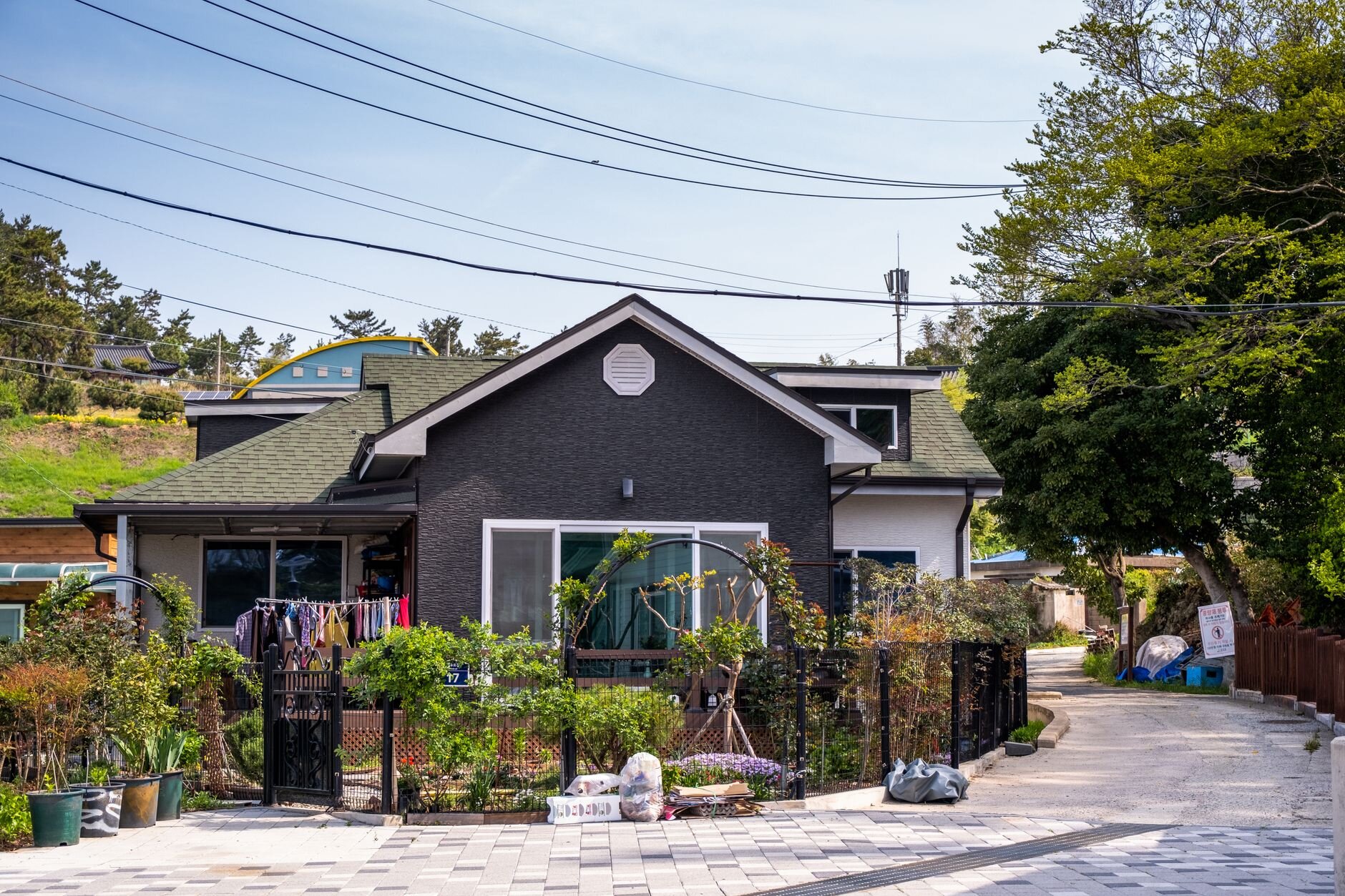
Getting a mortgage on a home priced under $150,000 is harder than most people think. The reason has to do with whether the lender can make money on the loan.
Originating a mortgage costs about the same in time, labor, and compliance overhead regardless of loan size. On a $400,000 loan, those costs are easily absorbed. On an $80,000 loan, they can exceed the revenue the transaction generates, which is why most large lenders set minimum loan amounts between $100,000 and $150,000. As a result, buyers shopping in lower-priced markets often find themselves turned away before an underwriter ever sees their file.
But new federal legislation passed this year directs regulators to study and potentially fix the compensation rules that have made small-dollar mortgage lending unprofitable. The fix is not immediate, but it represents the most serious federal attention the problem has received in decades.
Here is what is driving the gap, who it affects most, and what buyers can do right now.
...in as little as 3 minutes — no credit impact
Why lenders set minimum mortgage amounts
The mortgage industry runs on a fundamental cost mismatch. A loan officer, a processor, an underwriter, a title team, a compliance review — each of those people and systems costs money, and none of those costs scale down proportionally with the loan amount. A lender processing a $90,000 purchase mortgage incurs nearly the same internal cost as one processing a $450,000 purchase mortgage, but earns roughly one-fifth the revenue in origination fees and secondary market proceeds.
Federal regulations add another layer of friction. Under the qualified mortgage rule, lenders face limits on the points and fees they can charge relative to the loan amount. On a large loan, staying under that cap is straightforward. On a small loan, the same dollar amount of fees can push the lender over the threshold, exposing them to legal liability and secondary market ineligibility. The cap, designed to protect borrowers from predatory lending, inadvertently makes small-loan origination a compliance minefield for mainstream lenders.
Loan officer compensation compounds the problem further. Most loan officers are paid on commission, a percentage of the loan amount. On a $90,000 loan, even a competitive commission rate produces modest earnings, which means many loan officers have little economic incentive to prioritize small-loan borrowers over those with larger purchase needs.
Research from the Pew Charitable Trusts found that between 2018 and 2024, government-sponsored enterprises collectively purchased far fewer small mortgages as a share of their total volume than large ones, leaving lenders to hold these loans on their own books rather than selling them into the secondary market. Without that exit valve, lenders have even less incentive to originate small loans in the first place.
Who is most affected by the small-dollar mortgage gap
The buyers most likely to need a mortgage under $150,000 are not a niche group. They include:
- First-time homebuyers in rural areas, where median home prices frequently fall below $150,000 and sometimes well below $100,000. These buyers are often how to qualify for a home loan candidates who meet standard qualification requirements but cannot find a lender willing to originate at their purchase price.
- Buyers in legacy Midwestern and Southern cities, markets where housing stock is abundant and affordable but large national lenders are underrepresented. In these markets, the small-dollar mortgage gap is a significant driver of homeownership inequality, because the buyers most likely to purchase in these areas are often those for whom homeownership represents the most meaningful wealth-building opportunity.
- Manufactured housing buyers. Factory-built homes frequently sell for under $150,000 and have historically faced compounded financing challenges, both the small loan size and lender reluctance around manufactured housing as collateral. The 2026 housing legislation specifically addresses FHA loan limit increases for manufactured housing as a partial response to this overlap.
- Buyers seeking to purchase and rehabilitate lower-priced properties. Homes selling under $100,000 often require repairs, and lenders are doubly reluctant: small loan size plus uncertain collateral condition equals a loan that does not fit standard origination models.
What buyers can actually do right now
The mainstream mortgage market has a small-loan problem, but there are lenders that operate outside those constraints.
FHA-approved lenders without published minimums. The FHA loan program does not set a minimum loan amount, and some FHA-approved lenders do not impose one either. This makes FHA-approved channels a more reliable starting point than conventional lenders for sub-$150K purchases. FHA loans also allow lower minimum credit score for a mortgage requirements — 580 with 3.5% down — which may matter for buyers who have limited credit history alongside a limited purchase price. Understanding the difference between an FHA vs conventional loan is a useful early step.
Credit unions. As nonprofit institutions, credit unions are not optimizing for per-loan profitability the way commercial lenders are. They are more likely to originate small loans, particularly for members with established relationships.
Community banks. The Community Reinvestment Act creates regulatory incentives for community banks to lend in the areas they serve. In rural and lower-income markets, this sometimes translates into a willingness to originate smaller loans that large national lenders decline.
Community Development Financial Institutions (CDFIs). CDFIs are mission-driven lenders designed explicitly to serve markets that mainstream finance underserves. Many operate homebuyer programs in small-loan markets and can connect buyers with state or local down payment assistance alongside the mortgage itself.
One thing buyers should plan for regardless of lender type: closing costs will represent a higher percentage of the loan amount on a small mortgage. Many closing cost components (the appraisal, the title search, lender fees) are fixed regardless of loan size. Use a mortgage calculator to model total out-of-pocket costs, not just monthly payment. On a $90,000 loan, FHA closing costs could run 5–6% of the purchase price rather than the more typical 2–3% on a larger loan.
Example is for illustrative purposes only. Rates, payments, and total interest will vary based on credit profile, loan terms, and market conditions.
What the 2026 legislation changes and when
The 21st Century ROAD to Housing Act, which passed both chambers of Congress in 2026 with overwhelming bipartisan support, includes two provisions that directly address the small-dollar mortgage gap.
Section 401 requires the CFPB to submit a report to Congress studying how loan originator compensation practices affect the availability of mortgages under $100,000, and authorizes the Bureau to issue regulations changing how loan officers can be compensated on small loans to make originating them more viable.
Section 402 requires the CFPB and the Federal Housing Finance Agency to evaluate whether the current points-and-fees caps under the qualified mortgage rule are restricting small-dollar lending and authorizes regulatory adjustments if they are.
Together, these provisions represent a congressional direction to fix the structural problem, not just study it. The 2026 housing bill addresses a wide range of housing supply and access issues; the small-dollar mortgage provisions are among the most consequential for buyers in lower-priced markets. Buyers who need a mortgage today should not wait for these regulatory changes. They are likely at least one to two years from having any market impact. But for buyers currently building toward a purchase, the policy direction is meaningful: there is now explicit federal intent to make small-loan origination more economically viable for lenders.
Why is it so hard to get a mortgage on a cheap house?
The difficulty is almost entirely about lender economics, not borrower qualifications. Originating a mortgage costs roughly the same in labor and compliance overhead regardless of loan size. On a $90,000 loan, those fixed costs can exceed the revenue the lender earns, which is why most large lenders set internal minimums between $100,000 and $150,000. The problem is compounded by federal points-and-fees caps that become binding constraints on small loans, and by commission-based loan officer pay structures that give originators little incentive to prioritize small-loan files.
Do mortgage lenders have a minimum loan amount?
Most large lenders do, though they rarely publish it. Minimums typically range from $100,000 to $150,000 at large banks and nonbank lenders. Some lenders go as low as $50,000. Credit unions, community banks, CDFIs, and FHA-approved lenders without published minimums are the most accessible options for buyers who need to borrow less than $100,000.
I found a home for $85,000. Can I get a mortgage on it?
It depends heavily on the lender. Start with FHA-approved lenders, credit unions, and community banks rather than large national lenders. Be prepared for closing costs to represent a higher share of the purchase price than they would on a larger loan. Read tips for first-time homebuyers for a broader view of how to approach this purchase.
Are closing costs higher on a small mortgage?
Proportionally, yes. Many closing cost components, the appraisal, the title search, lender origination fees, are fixed dollar amounts regardless of loan size. On a $90,000 loan those fees can represent 5–6% of the purchase price, compared to 2–3% on a larger loan. This is a meaningful consideration when comparing the true cost of buying a lower-priced home.
What types of lenders will originate a mortgage under $100,000?
FHA-approved lenders without published minimums, credit unions, community banks, and CDFIs are the most reliable options. State housing finance agencies in many states also operate programs specifically designed to serve lower-priced markets. The FHA program itself has no minimum loan amount, making FHA-approved lenders the broadest pool to search within.
Will the new 2026 housing legislation actually fix the small-dollar mortgage problem?
The legislation creates the regulatory mandate and authority to fix the problem, but the fix is not immediate. Sections 401 and 402 of the 21st Century ROAD to Housing Act direct the CFPB to study loan originator compensation and points-and-fees impacts, and authorize rulemaking to change them. Realistically, any market impact is likely one to two years away at minimum. Buyers who need financing now should not wait.
Is FHA the best option for a small mortgage?
FHA is often the most practical path because the program sets no minimum loan amount and has more flexible credit requirements than conventional loans. The trade-off is mortgage insurance: FHA loans require both an upfront and an annual mortgage insurance premium. Whether FHA makes sense depends on your credit score, down payment, and how long you plan to stay in the home.
The small-dollar mortgage gap is a real problem — with real options
Most of the buyers who need a mortgage under $150,000 are well-qualified. The barrier is not their financial profile, it is the structural economics of a lending market that was not designed with them in mind.
That is starting to change. Federal legislation has put the problem on the regulatory agenda. Community lenders, credit unions, and FHA-approved channels provide real options today. And for buyers still building toward a purchase, the trajectory is one of gradual improvement.
If you are ready to see what you qualify for, the fastest way to find out is to get pre-approved and let actual lender data answer the question for your specific profile and price range.
...in as little as 3 minutes — no credit impact