
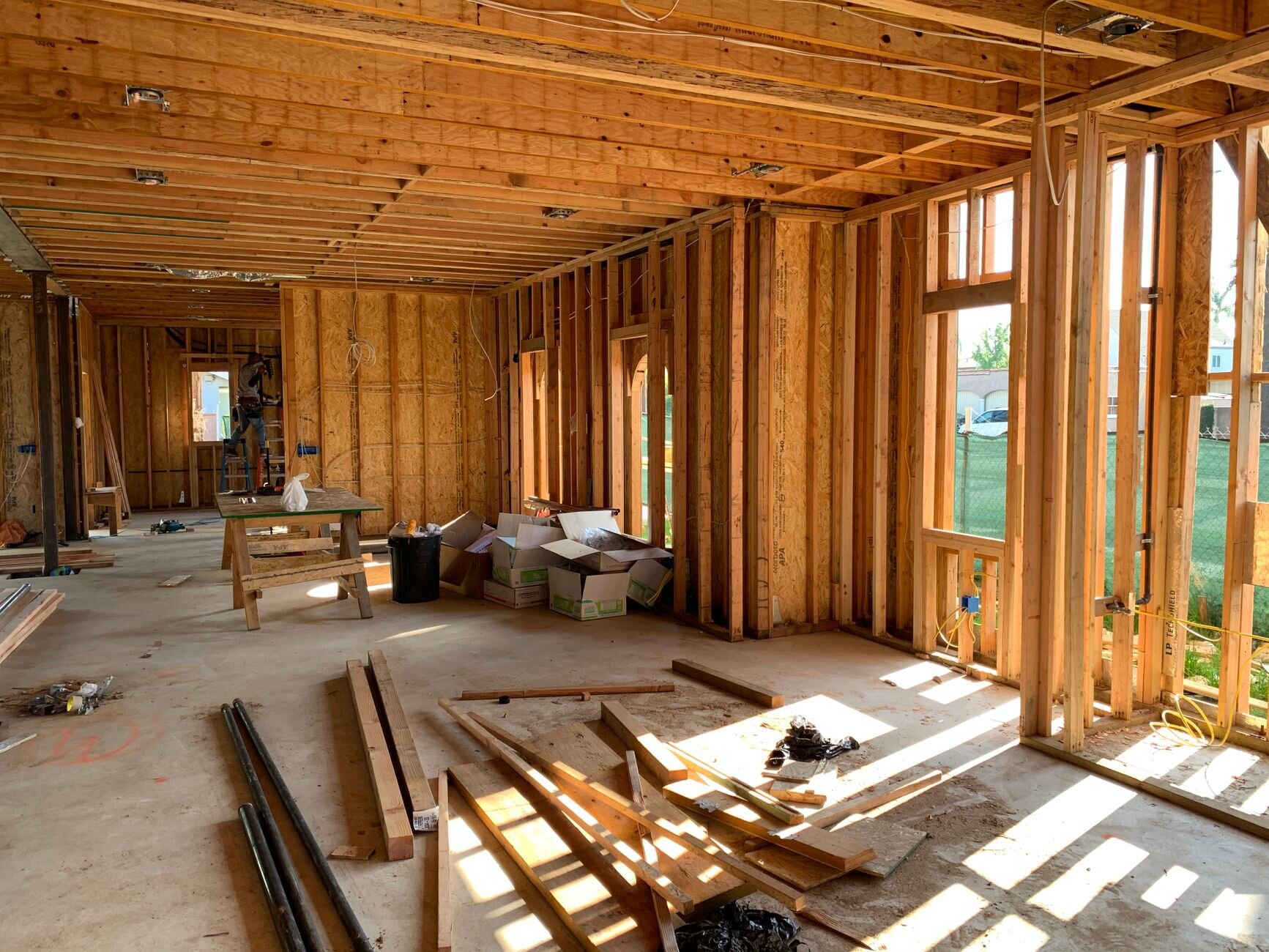
In most markets, buying an existing home is cheaper than building one. This isn't new.
What's new is that this cost gap between buying and building has widened sharply in 2026.
Building a custom home now costs 12.6% more per square foot than a comparable spec-built home. This is the widest gap since 2011.
...in as little as 3 minutes — no credit impact
What it costs to buy a house right now
The median price of an existing home sold in the U.S. in August 2026 was $429,100, up 1.6% from a year earlier and making the 38th straight month of year-over-year price increases, according to recent housing market data.
That figure varies enormously by location, so check local listings for a realistic comparison in your area.
The purchase price is only part of the cost. Buyers should also budget for:
- Closing costs, which typically run 2–5% of the loan amount and cover items like appraisal fees, lender fees, and title insurance. See what's included in closing costs for a full breakdown.
- Down payment, usually between 3–20% depending on your loan type and lender. Putting down less than 20% typically means paying private mortgage insurance (PMI) until you've built enough equity. See how much down payment you'll need for a closer look, and down payment assistance if you're short on upfront cash.
- Property taxes and homeowners insurance, both of which vary significantly by state and are billed on top of your mortgage payment.
- Repairs and maintenance, since an existing home may need work sooner than a new one. A common rule of thumb is setting aside 1–4% of your home's value annually.
On a $429,100 home with 10% down at today's average 30-year fixed rate, principal and interest alone would run roughly $2,614 a month. Better's mortgage calculator can show payments at different rates, down payments, and loan terms.
Example is for illustrative purposes only. Rates, payments, and total costs will vary based on credit profile, loan terms, taxes, insurance, and location.
What it costs to build a house right now
Building comes with a different cost structure entirely. Recent industry construction-cost surveys put the average price of building a typical single-family home — about 2,650 square feet — at roughly $428,000 for construction alone, or about $162 per square foot.
That number excludes buying the land. Once land, permitting, site work, and financing costs are factored in, the average total price of a newly built home climbs to around $665,000.
Per-square-foot costs vary widely by finish level and region: a basic build can run $150 per square foot or less, while custom homes with high-end finishes in expensive markets can exceed $400–$500. The biggest line items are land (from $3,000 to well over $150,000 depending on location), materials and labor (together the majority of total cost), site preparation such as excavation and utility hookups ($10,000–$50,000+), and design and permitting fees, which can add tens of thousands more.
Example is for illustrative purposes only. Construction costs vary substantially by region, home size, finish level, and site conditions.
Why the building premium just hit a 15-year high
Here's the part most build-vs-buy comparisons miss: the gap between building and buying isn't fixed. It's been widening, and 2026 data shows it just hit its highest point since 2011.
The "custom home premium" — the difference in price per square foot between a contractor-built custom home and a comparable spec-built home — reached 12.6% this year, according to recent analysis of national homebuilding survey data. For custom homes started in 2025, the median price came in at $171 per square foot. Spec-built homes, by comparison, priced at $152 per square foot which is essentially flat compared to the year before.
The mechanism behind that gap is straightforward: spec-home prices per square foot have plateaued for four consecutive years, while custom contract prices climbed from $156 per square foot in 2021 to $171 in 2025, a roughly 10% increase over that span.
Large production builders, who build most spec homes, tend to have more purchasing power on materials and labor than the smaller contractors who typically build custom homes, which helps explain why they've been better able to hold prices steady while custom costs kept climbing.
For historical context, the custom premium averaged closer to 9% over the two decades before the pandemic and briefly disappeared during the pandemic building boom. It has now climbed well past that long-run average.
Financing a build vs. financing a purchase
The financing looks completely different depending on which path you take.
Buying an existing or spec-built home uses a standard mortgage — fixed or adjustable terms, a rate you can shop and compare, and funding available as soon as you close. Better offers conventional, FHA and VA, and jumbo purchase loans, and you can compare jumbo vs. conventional loan options if you're financing above the conforming limit.
Building typically requires a construction loan instead — a short-term loan, usually lasting 12–18 months, that funds the project in stages as work is completed. Construction loans are typically interest-only during the build, carry higher rates than a standard mortgage, and often require a larger down payment and a stronger credit score than a typical purchase loan. Once construction wraps up, most borrowers either convert the loan to permanent financing or refinance into a standard mortgage.
Better doesn't currently offer construction loans. If you're building, you'll need to arrange construction financing through a specialty lender or builder — but once your home is complete, a standard purchase or refinance mortgage takes over from there.
...in as little as 3 minutes — no credit impact
How to decide — the factors that actually matter
National averages are a starting point, not a verdict. A few factors will do more to answer this question for your situation than any national statistic:
- Local land costs. In areas where land is cheap and plentiful, building can sometimes come out ahead. In tight, expensive markets, land costs alone can erase any potential savings.
- Your timeline. Buying an existing home typically closes in weeks. Building takes months — commonly 6–12 months or longer — plus the planning and permitting that comes before construction even starts.
- How much customization you actually need. If specific layout or feature requirements are non-negotiable, building may be worth the premium even if it costs more. If you're flexible, an existing or spec-built home is very likely the cheaper route in 2026.
- Your credit and reserve position. Construction loans generally demand stronger credit and larger cash reserves than a standard purchase mortgage, since lenders are financing a project that doesn't exist yet.
The bottom line
Nationally, buying remains the cheaper option in 2026, and the gap actually widened this year: custom construction costs are climbing while spec-home prices have leveled off, pushing the custom premium to its highest point since 2011.
That said, the math is local. Land costs, timelines, and how much customization matters to you can all shift the answer.
If buying is the direction that makes sense for you, the most useful next step is seeing your real numbers rather than a national average.
...in as little as 3 minutes — no credit impact
Frequently asked questions
Is it really always cheaper to buy than to build a house?
Not always, but it usually is in 2026. Nationally, buying an existing home tends to cost less than building, and that gap widened this year as custom construction costs kept rising while spec-home prices held flat. Locally, though, cheap land or a tight resale market can sometimes flip the math in favor of building.
I already own a plot of land — does that change whether building is cheaper for me?
Yes, significantly. Land is one of the biggest variables in total build cost, so if you already own it, your comparison should focus on construction costs alone rather than the all-in average that includes land. That can make building far more competitive with buying than the national numbers suggest.
What happens if my construction costs go over budget partway through building?
It's a real risk with building that doesn't exist when you buy an existing home. Construction loans fund in stages, and unexpected costs — material price increases, site surprises, or design changes — can require you to bring more cash to the project or take on additional financing before it's finished. Building in a contingency budget of 10–20% above your initial estimate is a common safeguard.
I want to move in within 6 months — should I even consider building?
Probably not, unless you've already secured land, permits, and a contractor. Construction typically takes 6–12 months once it starts, and that's before accounting for planning, permitting, and any delays. Buying an existing home is almost always the faster path if your timeline is tight.
Why did the cost of building a custom home rise faster than buying an existing one?
Largely because of who builds each type of home. Spec homes are typically built by large production builders with more purchasing power on materials and labor, which has helped them hold per-square-foot prices flat for four years running. Custom homes are usually built by smaller contractors with less scale, and their costs have kept climbing — pushing the gap between the two to its widest point since 2011.
Do I need a bigger down payment to build a house than to buy one?
Often, yes. Construction loans typically require stronger credit and larger cash reserves than a standard purchase mortgage, since the lender is financing a project rather than an existing, appraised asset. Down payment requirements of 10% or more on a construction loan are common, compared to as low as 3% on some standard purchase loans.
Cost and price figures referenced in this article are based on recent industry construction-cost and housing-market survey data and Better Mortgage rate data as of publication, and are for informational purposes only. Figures are not guaranteed and actual costs, rates, and terms vary by borrower, location, and market conditions.